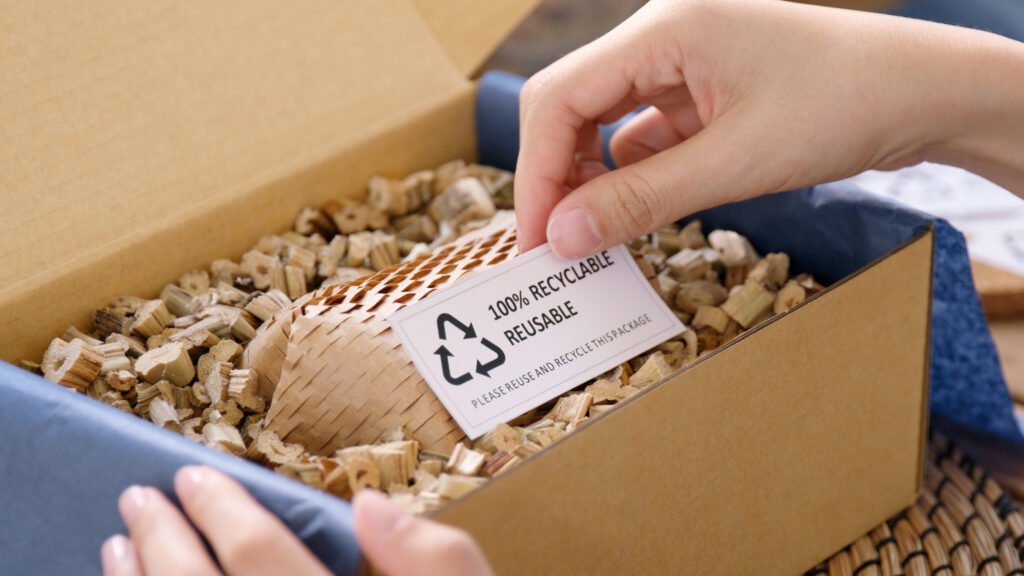
In the packaging sector, sustainability has shifted from a “nice to have” to a non-negotiable. Consumer expectations and regulatory pressure are all pushing firms toward greener materials, and lower-carbon operations. But for many print and packaging businesses, the question is hard-hitting: can you chase these green goals without killing your cashflow?
The short answer from a finance broker experienced in this industry? Yes – with careful planning and smart financial support.
The Stakes: 3 Reasons Why Sustainability Can’t Be Ignored
1. Regulation & taxation are tightening
In the UK, the Plastic Packaging Tax (PPT) penalises packaging with low recycled content, incentivising firms to shift materials. Beyond that, Extended Producer Responsibility (EPR) rules mean packaging firms may bear more of the cost of waste collection and recycling. Meeting these rules isn’t optional – falling behind risks fines, reputational damage, or being squeezed out by clients who tow the line of compliance.
2. Innovation is expensive (but impactful!)
Switching from traditional plastics to bioplastics, recycled board, seaweed films, mushroom packaging, or compostable coatings isn’t just a vendor swap. It often involves new machinery, R&D testing, waste re-engineering, and supplier qualification. In many cases, sustainable materials still carry a price premium of 10–20 % or more (though the gap is narrowing.)
3. The demand for systematic changes
Sustainability requires you to rethink everything from design to logistics, and recovery systems. That often means an additional investment in reverse logistics, labelling, supplier networks, or integration with waste systems.
The Tension: Green Initiatives vs. Cashflow Realities
All these changes certainly offer eco-benefits for the environment, but there’s no denying that for many packaging firms (especially SMEs), the timing can be brutal. For example:
- Capital outlay before benefits accrue. A firm might invest heavily in a new coating line, buying new rollers, tweaks, and testing, but the cost savings or margin gains only materialise years later. How do those initial investment costs get covered?
- Working capital squeezed by raw material cycles. Sustainable inputs may require longer lead times, higher minimum orders, or prepayments, ultimately tying up much needed cash reserves.
- Uncertainty in demand. Clients may be cautious or slow to accept new materials, so adoption is gradual. That means partial runs, waste or rejects, and slower payback whilst the buy-in takes place.
- Regulatory timing mismatches. You may need to comply by a particular regulatory date, even though your capital budgets for that year are already committed. This is where cash flow can really start to feel the pressure.
Without support, many firms can become “green stoppers” – forced to defer or scale down sustainability just to keep cash flowing. It may not be how you want to operate on a moral level, but financially your options could look very different.
How Finance Can Bridge the Gap (If Done Right!)
This is where smart financing becomes a strategic lever to get your business to where you want it to be.
1. Asset finance & leasing for green hardware
Instead of paying upfront for new recycling lines, coating machines, or bioplastic extruders, firms can lease or finance these as assets. That spreads the burden, tying repayments to the useful life and expected returns of the investment.
2. VAT and corporation tax planning for transitional phases
When installing new equipment or undergoing process changes, there’s always VAT, depreciation, and tax timing to manage. Bridge funding or tax loan programmes can help smooth the “valley of death” period before savings or revenue improvements kick in.
3. Rolling investment & modular upgrades
Rather than transforming your entire process in one go, finance can help stage upgrades, allowing you to invest and upgrade as you go. Each module is financed (or refinanced) as the benefits of the previous start to sink in.
With so much pressure on the requirement to “go green” and achieve “net zero emissions”, we understand how overwhelming it can feel.
Thankfully, we’ve been here before. Transition Finance are skilled and experienced when it comes to working with packaging firms on their green investments.
Reach out to our industry specialist to have an initial conversation around your goals and requirements.
Robyn Rawling
Account Manager
Mobile: 07592 503 477
Office: 01908 039 489