
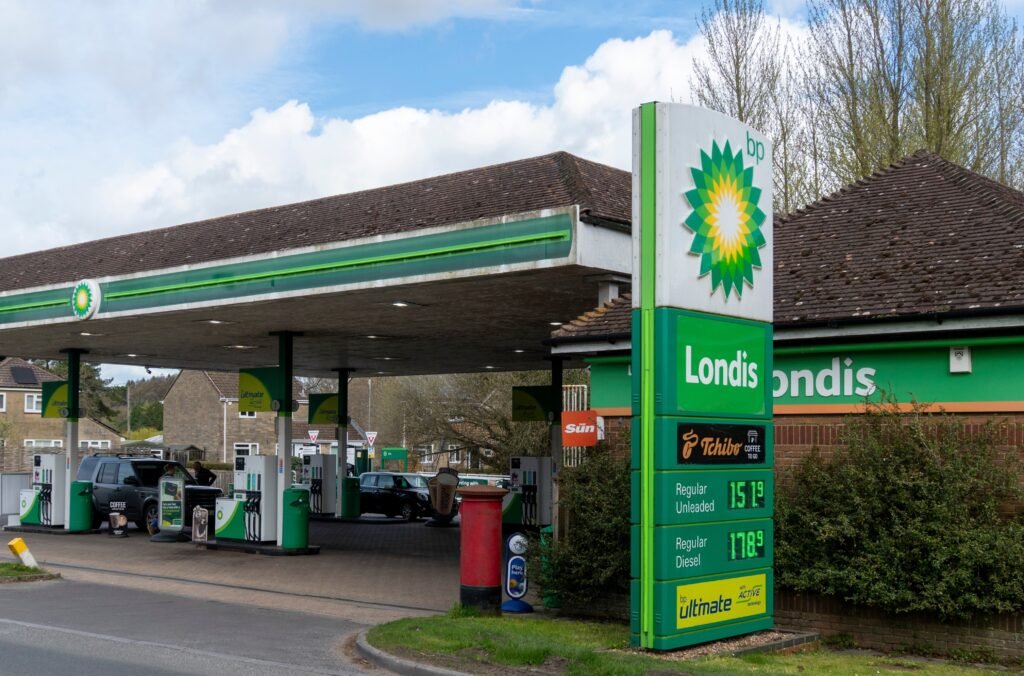
UK businesses are facing a perfect storm of rising costs. Fuel prices have surged above £1.80 per litre for diesel and £1.50 per litre for petrol, energy bills continue to climb, and supply chain disruptions are adding pressure to everyday operations. For SMEs, these increases are more than just numbers on a spreadsheet, they directly impact cashflow, profitability, and the ability to invest in growth.
In this environment, many business owners are asking themselves: how can we fund growth without letting rising costs hold us back?
The Pressure on Cashflow
For most SMEs, cashflow is the lifeblood of the business. Rising operational costs, from fuel for fleets to heating and electricity bills, can quickly eat into working capital.
Even small increases in fuel or energy bills have a disproportionate effect on tight-margin industries like logistics, construction, and agriculture. A single extra £50–£100 per week per vehicle or machine may seem manageable, but multiplied across a business, it can stall expansion plans, delay equipment purchases, or force cost-cutting measures.
This is where smart funding decisions come into play. Rather than relying solely on reserves or short-term loans, UK SMEs are increasingly looking at flexible finance solutions that spread the cost of investment over time.
Flexible Finance Is Becoming Essential
The current cost environment is forcing businesses to rethink how they invest in their operations. Asset finance, hire purchase, and leasing options allow SMEs to:
- Acquire essential equipment without tying up cash
- Protect working capital from unpredictable cost spikes
- Scale operations without increasing financial strain
For example, a construction company facing higher diesel and material costs can use asset finance to fund a new vehicle or machinery purchase while maintaining enough cash to cover day-to-day expenses. Similarly, a farm dealing with rising fuel and fertiliser costs can invest in storage or equipment without disrupting cashflow.
Timing Matters More Than Ever
One of the biggest lessons from rising costs is that timely investment can be a competitive advantage. Businesses that delay decisions may save a few pounds in the short term but risk missing growth opportunities, losing contracts, or falling behind competitors who act decisively.
Flexible finance solutions give SMEs the freedom to invest when it matters most. By securing funding quickly, businesses can respond to market changes, maintain operational efficiency, and even leverage rising costs into opportunities, for instance, by investing in fuel-efficient machinery or storage solutions that reduce ongoing expenses.
Practical Steps for UK SMEs
- Review your cashflow: Understand exactly how rising costs are affecting your business month to month.
- Prioritise investments: Identify which purchases will protect or grow your business.
- Explore finance options and seek expert advice: Transition Finance can help tailor a solution that works for your specific business needs.
- Act quickly: Don’t let rising costs prevent you from investing in growth. Timing matters.
Conclusion
Rising costs are challenging for UK SMEs, but they also highlight the importance of strategic funding decisions. Businesses that plan carefully, act decisively, and use flexible finance tools are better positioned to maintain cashflow, protect margins, and continue growing despite economic pressures.
At Transition Finance, we help UK SMEs find funding solutions that support growth, not just cover costs. If rising operational expenses are affecting your plans, now is the time to explore flexible finance options tailored to your business.
If you’d like to explore the type of funding that makes sense for your business, let’s talk it through. We’re here to help you find the right solution, not just any solution. Get in touch: 01908 039 489
Arrange a call back Contact Transition Finance | Business Loans & Asset Finance